Quick answer
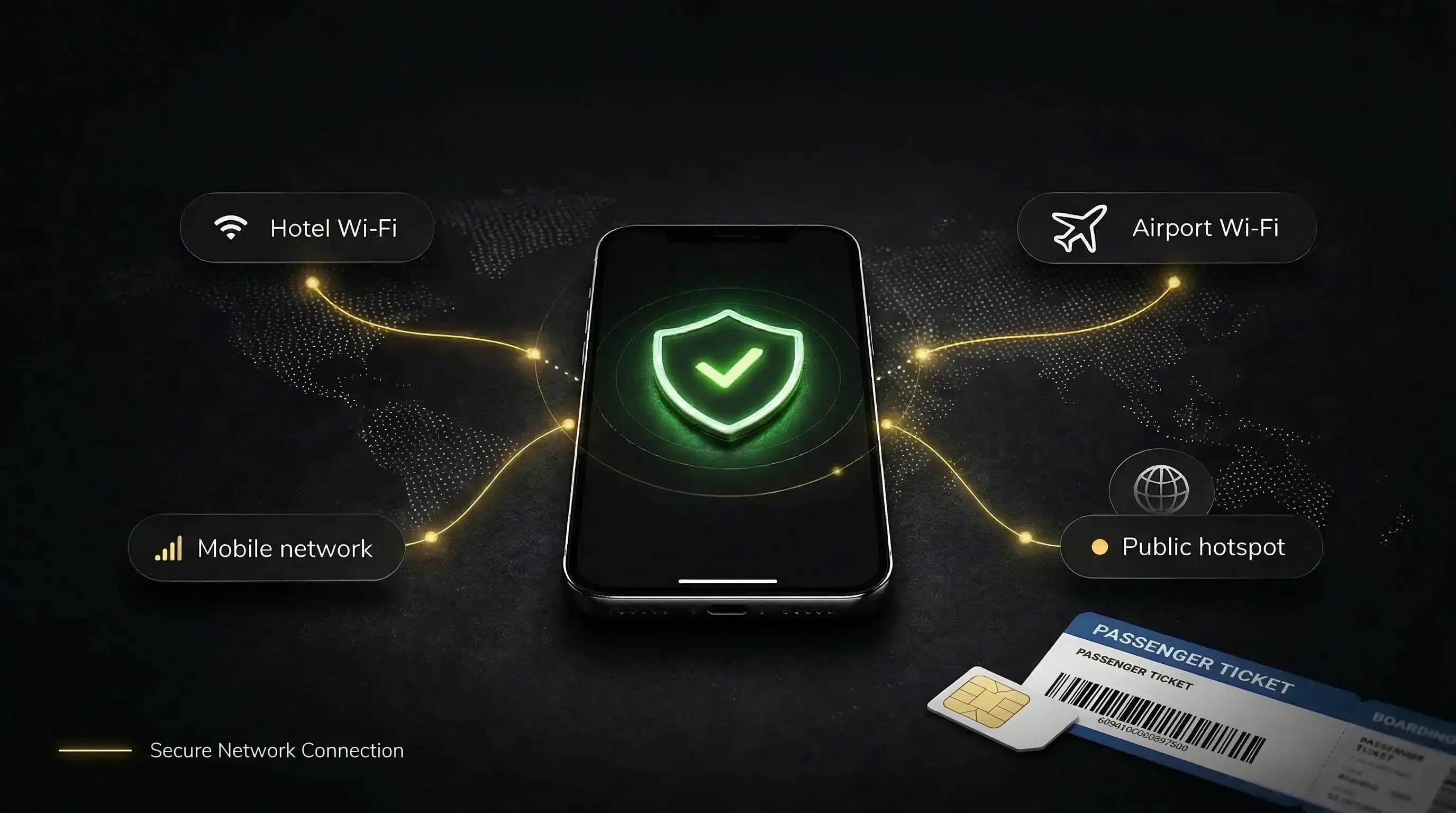
VPN routing is about the real path your traffic takes, not only a country label in an interface. Use the current ClickVPN app, cabinet, or connection profile as the source of truth for available routes. Public copy should not promise a fixed number of countries unless that number comes from current product data.
The best route is the one that gives you a stable, lawful connection for the specific service you need while keeping privacy and account rules in view.
Why route labels are not enough
Users often ask for server locations because they want reliable access to work tools, messaging, video calls, cloud platforms, app stores, search, or AI services. A route label can be useful, but it does not explain every factor that affects availability.
Service access can vary because of local law, network filtering, platform policy, account status, payment rules, CDN behavior, mobile carrier routing, workplace firewalls, school firewalls, or provider enforcement. Two users on the same VPN route can still see different behavior if their accounts, devices, browsers, or networks are different.
Practical routing checklist
- Choose a route shown in the current ClickVPN product UI or connection profile.
- Test the exact service you need instead of relying only on a country label.
- Check your visible IP after connecting.
- If one service fails, test another service before assuming the VPN route is down.
- If every service fails, test another network and confirm normal internet access.
- Keep a fallback connection method for critical work, travel, or account recovery.
Restricted networks and global services
Internet restrictions and platform availability are not static. Access Now tracks shutdowns and platform restrictions in its KeepItOn reporting, while Freedom House documents country-level internet controls. Service providers also publish their own availability rules; for example, OpenAI maintains a list of supported countries and territories for ChatGPT.
That is why ClickVPN content should stay precise. A VPN can improve secure connection handling and may help lawful access where technically possible, but it should not be presented as a guaranteed bypass for every service or every country.
Where routing fits in setup
Routing checks should happen after the first connection test. Start with the getting started checklist, confirm your public IP, review DNS and WebRTC exposure, then test the real services you use.
For purchase-channel questions that affect access or renewal, read billing and payments.